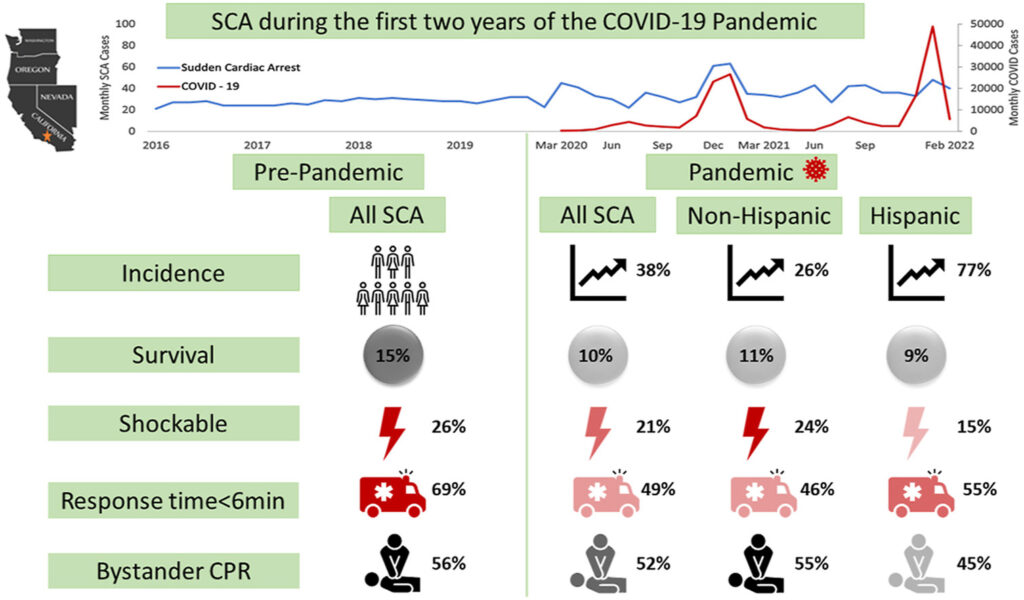
Using an AED significantly improves survival rates for cardiac arrest victims, with survival rates potentially reaching 50-70% when defibrillation occurs within 3-5 minutes of collapse, compared to a much lower survival rate of around 10% without intervention.
Every year, millions worldwide are affected by cardiac arrest, a life-threatening event that occurs suddenly and unexpectedly. Improving survival chances is crucial for rapid intervention within the critical minutes after cardiac arrest. Defibrillation, which involves delivering an electric shock to the heart, is a well-established and successful technique for restoring a normal heart rhythm, which ultimately reduces the negative health effects and death rates associated with sudden cardiac arrest. Public access defibrillators (PADs) refer to the use of automated external defibrillators (AEDs) to treat out-of-hospital cardiac arrests (OHCA) outside the emergency hospital settings or by individuals who are not part of the conventional emergency medical services. The availability and prompt utilization of defibrillators outside hospitals have been a persistent challenge. OHCA remains a significant cause of death, with over 350,000 cases occurring annually in the US, resulting in a survival rate of only 8-10% [1]. The chance of survival significantly increases to 50%-74% when immediate defibrillation with an on-site AED is available